Unraveling Audio Influences on Betting Behaviors in Virtual Slot Machines
Viktor Krüger · Sep 22, 2026
Unraveling Audio Influences on Betting Behaviors in Virtual Slot Machines
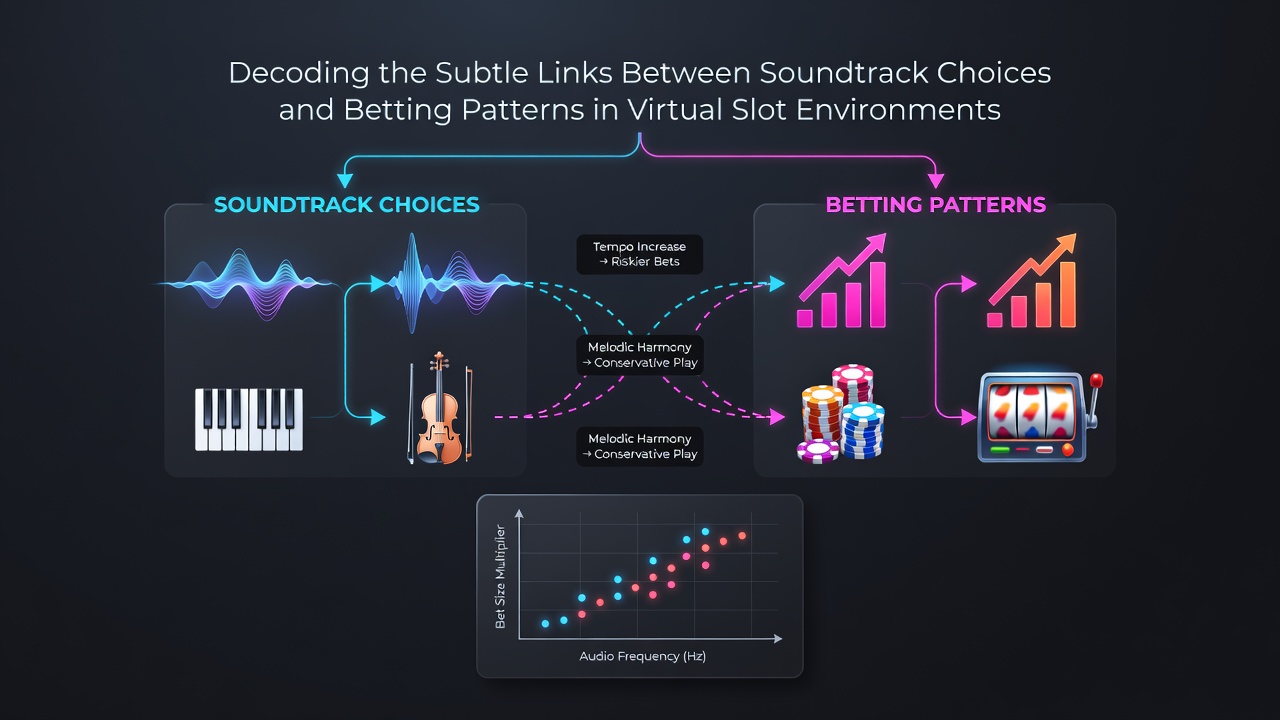
Virtual slot environments rely on carefully engineered soundtracks that guide player engagement through rhythmic cues and melodic shifts, and researchers have documented measurable connections between these audio elements and variations in wager amounts across multiple platforms. Data collected from North American operators shows that tempo changes often coincide with adjustments in bet sizing, particularly when background tracks accelerate during bonus rounds or free spin sequences.
Studies conducted by academic teams at institutions in the United States and Canada have tracked session logs from thousands of players, revealing that faster-paced soundtracks correlate with increased frequency of maximum bet selections, whereas slower, ambient scores tend to align with more conservative stake levels maintained over extended play periods. These patterns emerge consistently across different game themes, suggesting the audio layer functions as an independent variable rather than a mere decorative feature.
Audio Design Elements and Observed Player Responses
Sound engineers incorporate layered audio components that include melodic loops, percussive hits, and dynamic swells, and observers note that these components trigger distinct behavioral responses when synchronized with reel animations. One analysis of gameplay data from Australian markets indicated that players exposed to rising musical tension increased their average bet size by measurable margins during mid-session intervals, while static or repetitive tracks produced steadier, lower-variance wagering.
Regulatory bodies such as the Nevada Gaming Control Board have referenced similar findings in technical compliance reviews, where operators must demonstrate that audio features do not inadvertently encourage excessive play through unmonitored psychological triggers. The commission's guidelines emphasize transparency in how sound design integrates with game mathematics, requiring documentation of any tempo or volume shifts that coincide with payout events.
Developers adjust soundtrack parameters during testing phases to calibrate player retention, and figures from Canadian research groups reveal that games featuring adaptive audio, which responds to current bet levels, show higher session completion rates than static audio versions. These adaptations include subtle volume increases when players raise stakes, creating a feedback loop that reinforces the chosen wager amount without explicit prompts.
Regional Data Patterns and Industry Reports
European operators outside the United Kingdom have contributed datasets showing parallel trends, with soundtrack intensity linked to bet escalation during progressive jackpot builds. Reports compiled by independent research organizations in Australia further confirm that players in simulated environments respond to harmonic resolution points by either committing larger stakes or pausing to reassess their current strategy, depending on the preceding audio buildup.
Industry reports from the Australian Institute of Family Studies highlight seasonal fluctuations in these audio-betting correlations, noting that September 2026 data collection windows captured elevated activity around new game launches featuring custom orchestral scores. The timing aligned with platform updates that introduced more responsive audio engines capable of real-time modulation based on player input history.
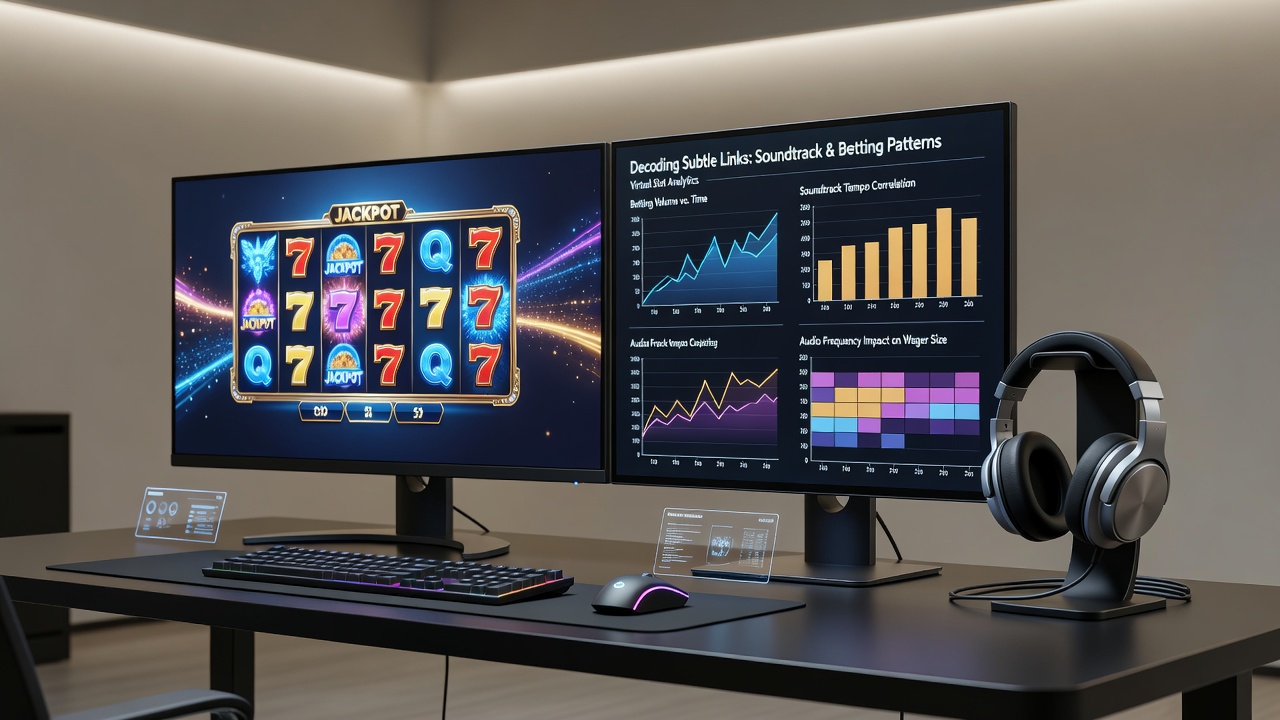
Platform analytics teams monitor these interactions through aggregated heat maps that overlay audio event logs with bet change timestamps, and the resulting visualizations demonstrate clusters where specific musical cues precede shifts toward higher denomination bets. Such clusters appear across both desktop and mobile interfaces, indicating the effect transcends device type.
Technical Implementation and Future Monitoring
Game providers integrate middleware that allows soundtrack variations to trigger based on algorithmic assessments of session length and recent win frequency, and technical documentation from developers indicates these systems undergo iterative refinement to maintain compliance with responsible gaming standards. Observers tracking September 2026 platform rollouts reported expanded use of machine learning models that predict optimal audio adjustments to sustain engagement without crossing into aggressive prompting.
Cross-platform comparisons show that games with minimal audio variation produce flatter betting curves, while those employing dynamic scoring exhibit pronounced peaks and troughs aligned with musical phrasing. These observations hold across multiple jurisdictions, reinforcing the view that audio functions as a structural component of game architecture rather than an optional enhancement.
Conclusion
Evidence from multiple regulatory and academic sources establishes that soundtrack choices in virtual slot environments exert measurable influence on betting patterns through tempo, intensity, and adaptive sequencing. Continued monitoring by oversight bodies and research institutions will determine how these audio-driven dynamics evolve alongside advancing game technology and shifting player demographics.