Decoding Cashback Structures Across Multi-Platform Networks for Sustained Session Management
Viktor Krüger · Oct 20, 2026
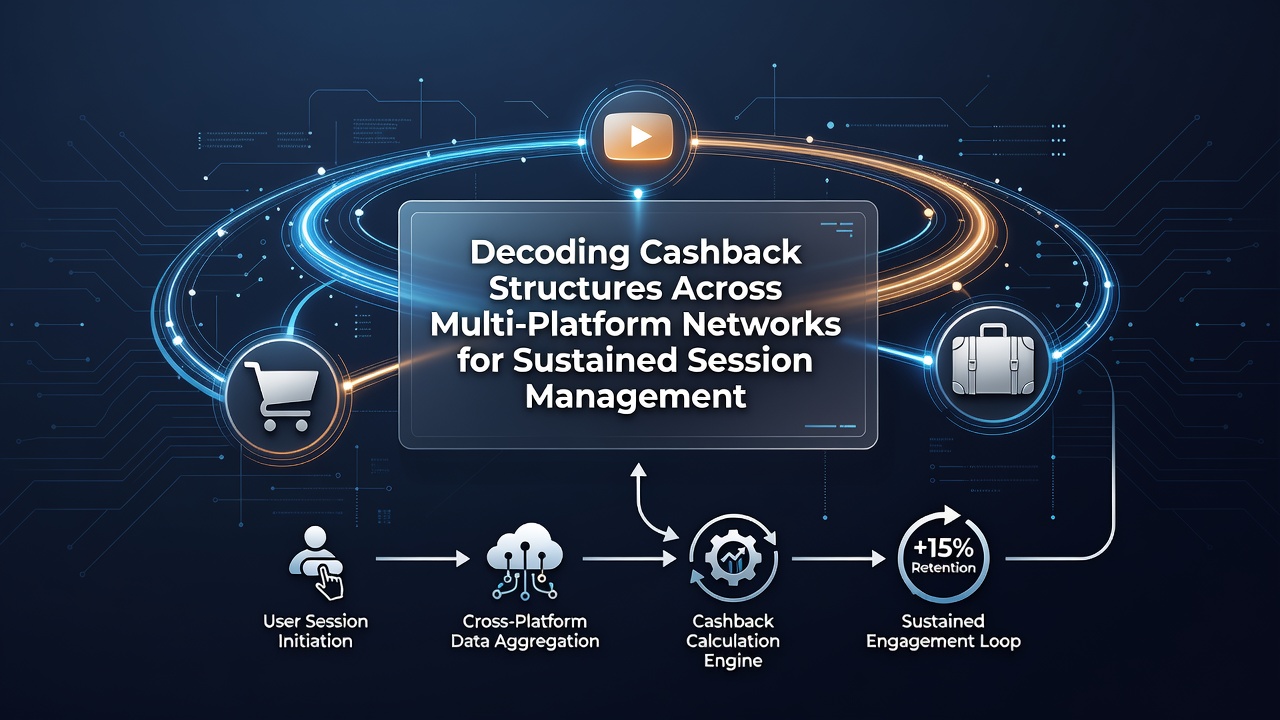
Decoding Cashback Structures Across Multi-Platform Networks for Sustained Session Management
Multi-platform networks have expanded cashback structures into layered systems that tie rewards directly to user activity across apps, websites, and connected services, and observers note that these frameworks now incorporate real-time tracking to maintain engagement levels over extended periods. Data from industry reports shows that operators deploy tiered percentages ranging from 5% to 15% based on volume and frequency, while algorithms adjust payouts according to session length and cross-device consistency. Researchers at academic institutions have documented how these adjustments help stabilize participation metrics in environments where users switch between mobile, desktop, and console interfaces without losing accumulated benefits.
Core Components of Modern Cashback Models
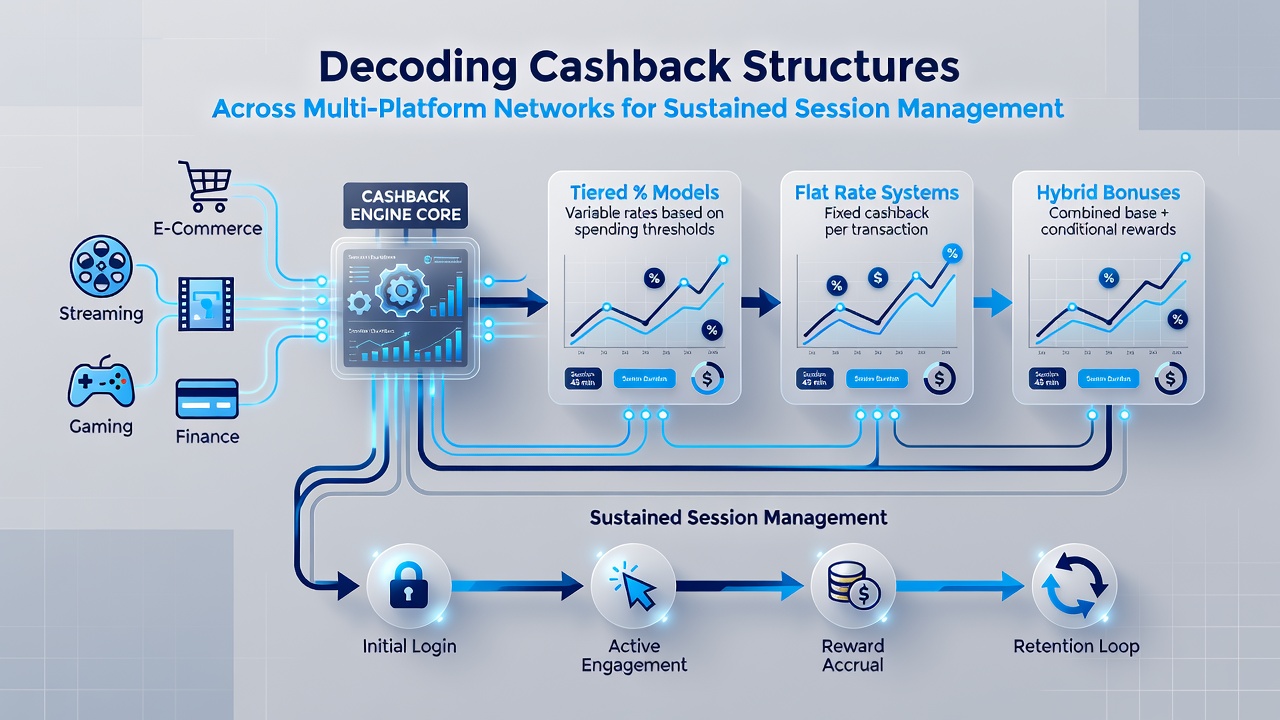
Platforms calculate cashback through formulas that factor in deposit totals, wager amounts, and retention milestones, and experts point out that many systems now embed progressive multipliers which activate after users complete a set number of sessions within a 30-day window. This approach connects short-term activity to longer-term incentives, creating pathways where early participation unlocks higher return rates later on. According to figures released by the Australian Communications and Media Authority, such models have appeared in digital entertainment sectors where multi-device usage exceeds 70% of total interactions.
Integration Across Separate Networks
Operators link separate platforms through shared user identifiers and API connections, allowing cashback earned on one service to carry over to another without manual intervention, and this seamless transfer supports sustained sessions because participants do not face resets when moving between environments. Studies conducted by the University of Nevada, Las Vegas gaming research center reveal that unified ledgers reduce drop-off rates by approximately 22% compared with isolated programs. Those who manage these networks emphasize that compatibility standards established in 2025 continue to evolve, incorporating blockchain elements for verification in select regions outside Europe.
Session management tools within these structures monitor login duration, inactivity thresholds, and device handoffs, then trigger automated cashback credits or bonus adjustments to encourage continued play. What's interesting is how predictive analytics now flag potential session endings and offer immediate micro-rewards to extend time spent, turning potential exits into renewed activity cycles. Figures from the Canadian Gaming Association indicate that platforms using such interventions report average session increases of 18 minutes per user.
Examples from Operational Networks
One documented case involves a North American entertainment provider that rolled out cross-platform cashback in early 2026, linking its sportsbook, slots, and live table sections through a single account system, and participants who maintained weekly activity across all three areas received an additional 4% uplift on total returns. The setup required users to log consistent sessions rather than isolated visits, which data showed improved overall retention through October 2026. Similar patterns appear in Asian markets where regulators track these programs under consumer protection guidelines, ensuring transparency in how percentages are communicated before users commit funds.
Another instance centers on a European digital wallet service integrated with gaming operators, where cashback accrues based on transaction volume across affiliated sites, and the system automatically distributes credits at the end of each calendar month. Observers note that this timing aligns with natural spending patterns, reducing the cognitive load on users who track their own rewards. Research published through the Journal of Gambling Studies highlights that predictable payout schedules correlate with steadier participation rates across multiple access points.
Technical Mechanisms Behind Sustained Engagement
Backend systems rely on event-driven triggers that log every action, from initial login to final logout, then feed this information into cashback engines which apply rulesets in real time. And because platforms share these logs through secure channels, discrepancies between devices get reconciled automatically rather than requiring user support tickets. The reality is that without such synchronization, users often abandon sessions mid-way when rewards fail to register across switches.
Security protocols embedded in these networks include encryption standards and audit trails that satisfy oversight bodies in multiple jurisdictions, and this infrastructure supports the trust necessary for users to maintain long-running accounts. Data indicates that platforms with robust verification experience fewer chargebacks and higher lifetime values per participant.
Conclusion
Cashback structures in multi-platform networks continue to refine their approach to session management through integrated tracking, progressive rewards, and automated adjustments that respond to user behavior patterns. Evidence from regulatory and academic sources demonstrates measurable impacts on retention when these elements operate together, and ongoing developments through late 2026 suggest further refinements in how credits distribute across devices and services. Those managing such systems focus on compatibility and transparency to support consistent participation without interruption.